
The Gilded Heart of Lorraine: Nancy’s Royal and Artistic Soul
Explore the two sides of Nancy: a grand stage built by a king in exile and the birthplace of a radical, nature-inspired art movement. From the meaning behind the gilded gates to the "original" macaron, discover the history and flavors that define the heart of Lorraine.
Tia
4/11/20264 min read
A King Without a Kingdom: The Stanisław Legacy
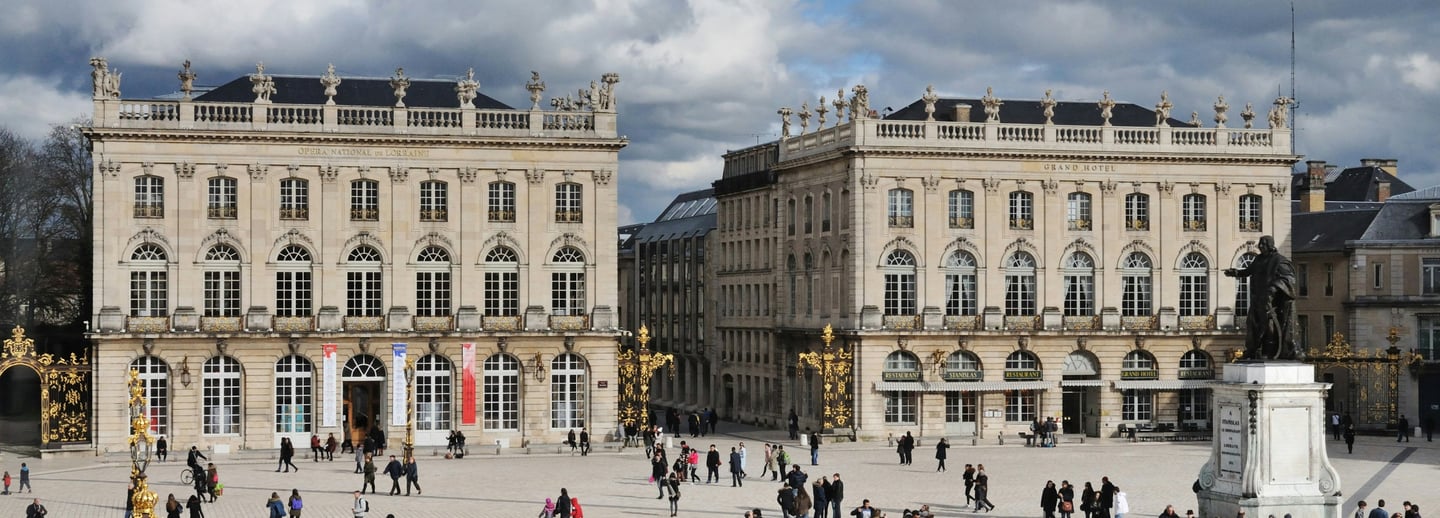
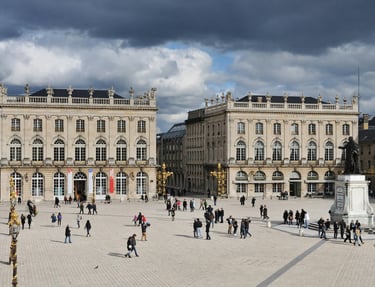
While this week's video (linked below) discovers the modern city, the story of why Nancy looks like a royal stage begins with one man: Stanisław Leszczyński. He wasn't just any duke; he was the former King of Poland and the father-in-law to Louis XV. When he lost his throne, he was given the Duchy of Lorraine as a consolation prize.
Stanisław wanted to prove that Nancy was every bit as grand as Paris. He spent the mid-1700s connecting the medieval "Old Town" with the newer Renaissance city, creating the trio of squares that are now UNESCO World Heritage sites. When you walk through those famous golden wrought-iron gates, you aren't just seeing decoration—you’re seeing a king’s "thank you" to his new home. This history is why Nancy feels so much "grander" than its size suggests; it was designed as a capital for a king who had everything to prove.
The School of Nancy: Where Nature Met Art
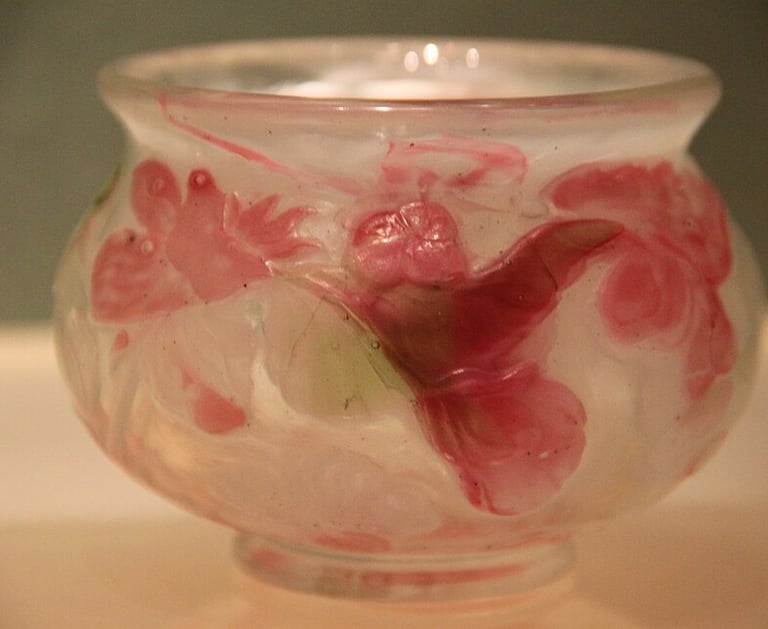
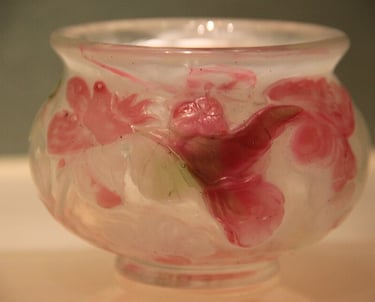
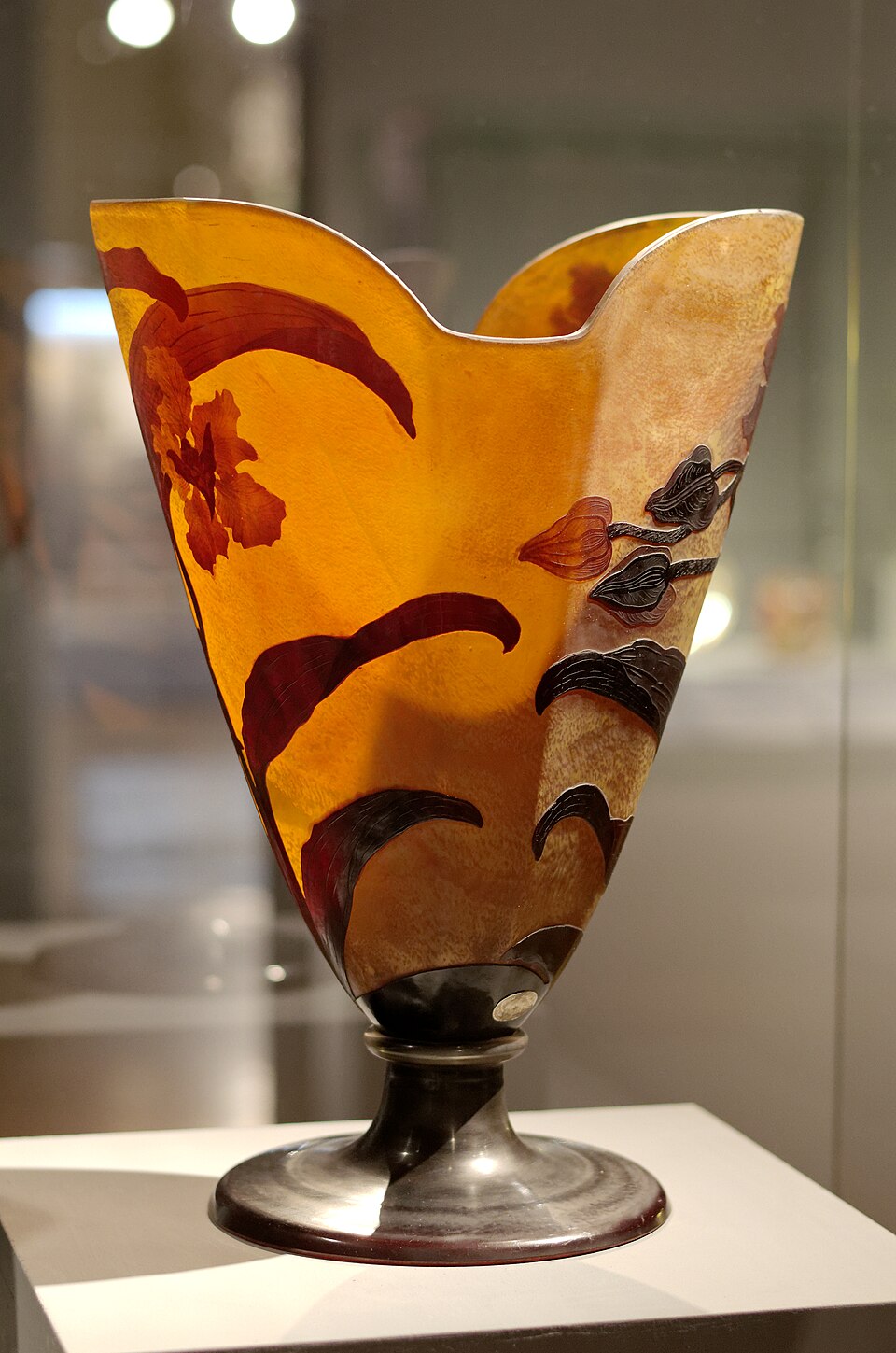
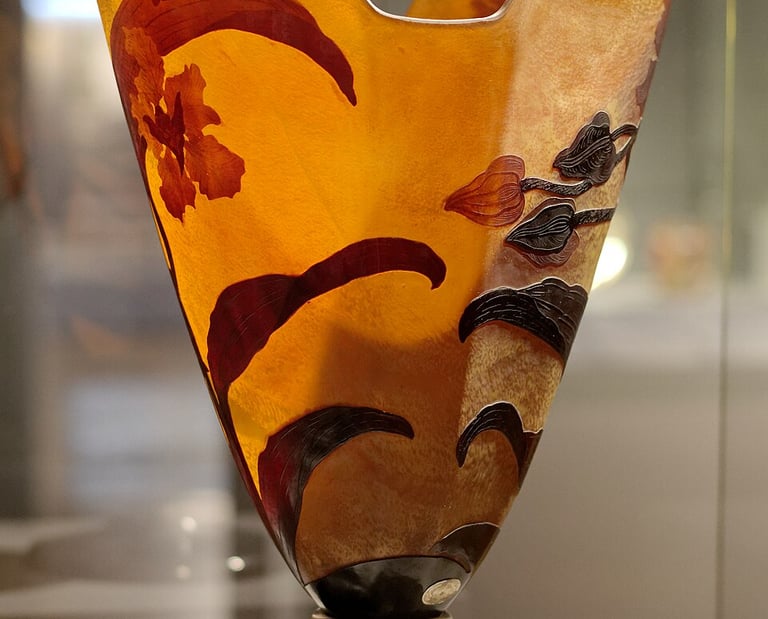
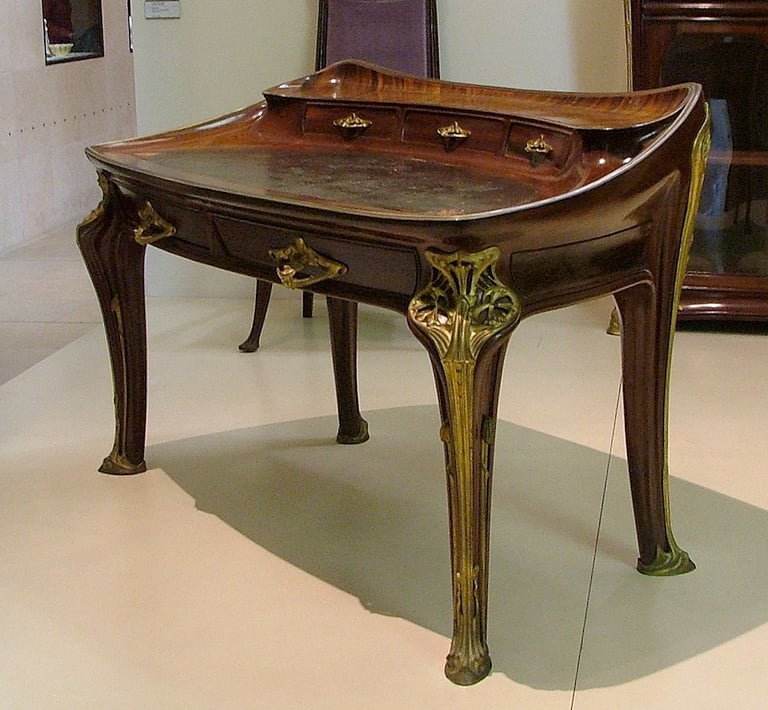
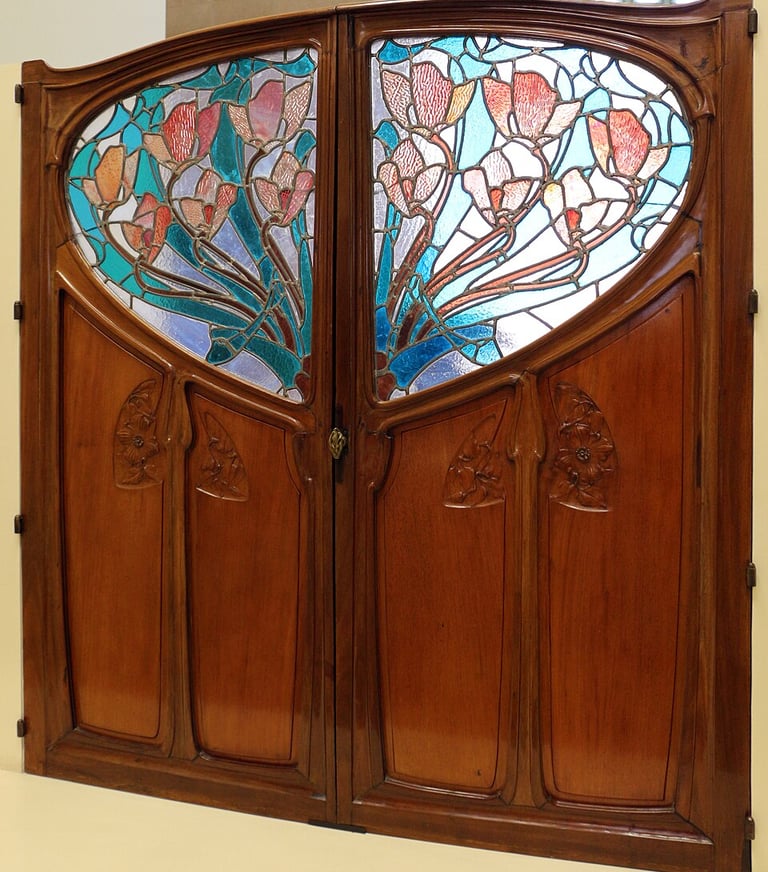
Around 1900, while Paris was busy with the Eiffel Tower, Nancy was leading an artistic revolution called Art Nouveau. This wasn't just about painting; it was about making every day life beautiful. The École de Nancy was a group of artists—like Émile Gallé and Louis Majorelle—who were obsessed with nature.
They looked at the dragonflies, lilies, and thistles of the Lorraine countryside and turned them into stained glass, furniture, and architecture. This is why, as you wander through the Saurupt district or visit the Villa Majorelle, the buildings look like they are "growing" out of the ground. For anyone moving here in 2026, this legacy of "Art in Everything" still permeates the local culture; there is a deep respect for craftsmanship and design that you won't find in more industrial cities.
The Flavors of the East: More Than Just Quiche
You can’t understand the people of Nancy without understanding their sweets. The city has a distinct "culinary signature" that leans into the aromatic and the refined:
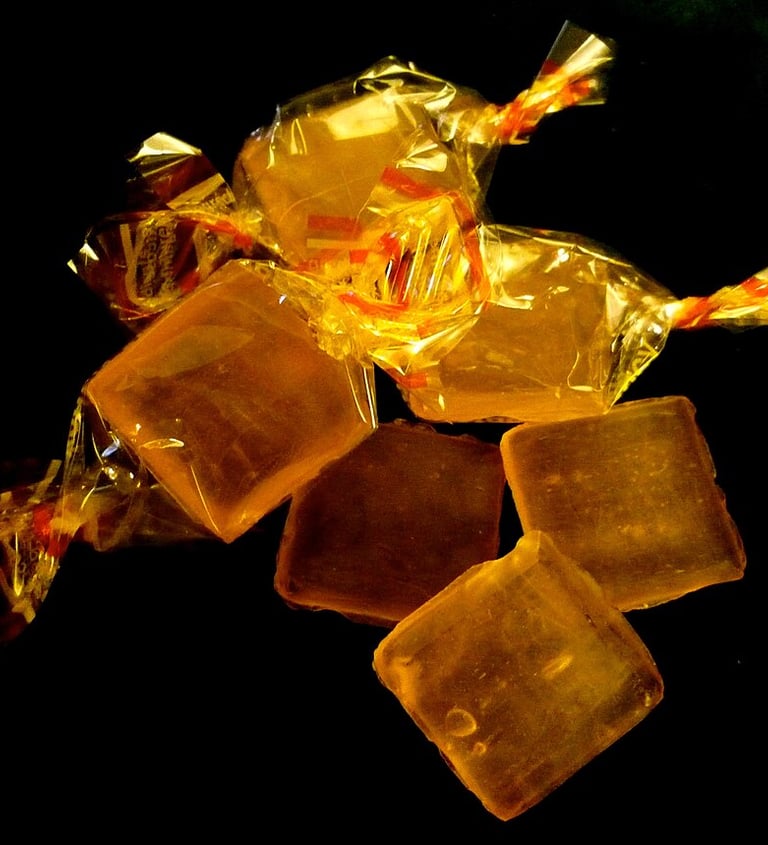
The Bergamote de Nancy: These translucent, golden candies are infused with essential oil of bergamot (the same citrus in Earl Grey tea). They were a favorite of the dukes and have been a protected local treasure since the 19th century.
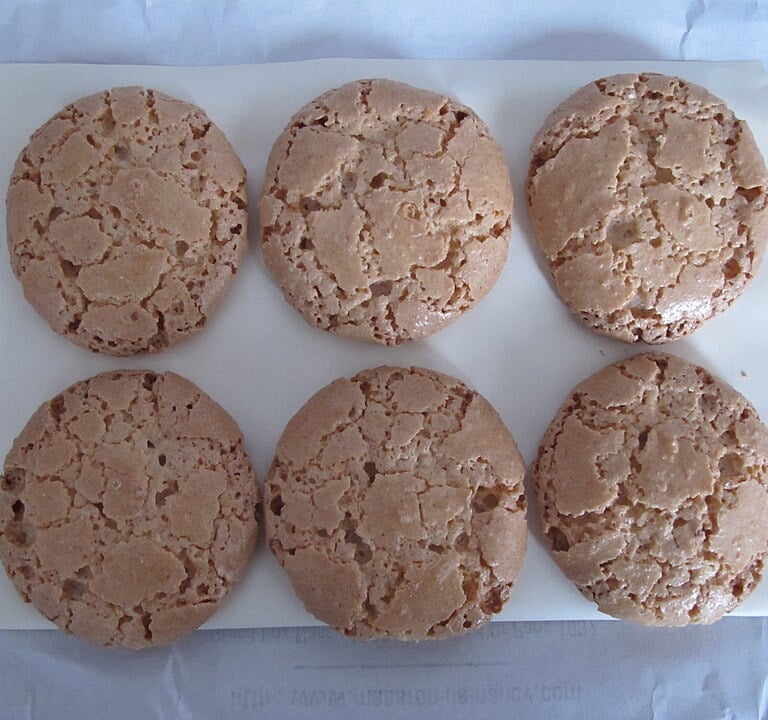
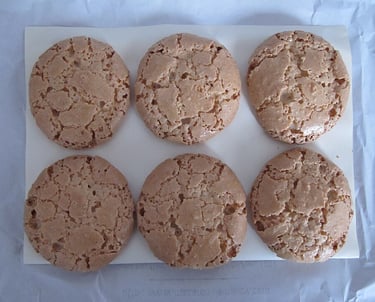
The Macarons de Nancy: Don’t expect the colorful, cream-filled sandwiches you see in Paris. The Nancy version is the "original"—a simple, cracked-top almond biscuit that has been baked by the "Sœurs Macarons" (Macaron Sisters) since the French Revolution.
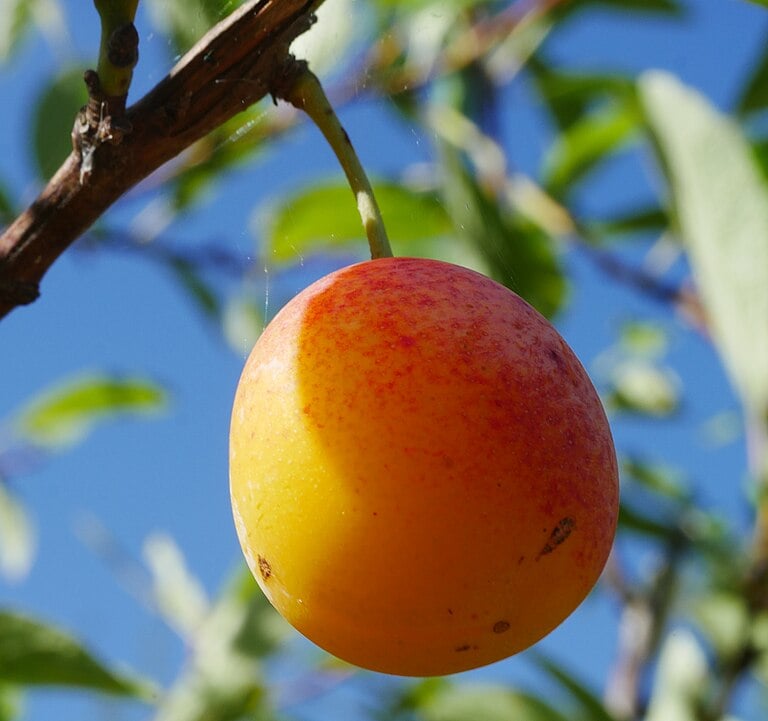
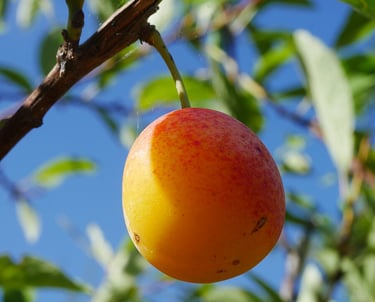
The Mirabelle: If you move here in late summer, you’ll realize the entire region is obsessed with this tiny, golden plum. It’s in the tarts, the jams, and the brandies. It is the "Gold of Lorraine," and the harvest is a major social event every August.
The People: Academic Rigor and "Douceur"
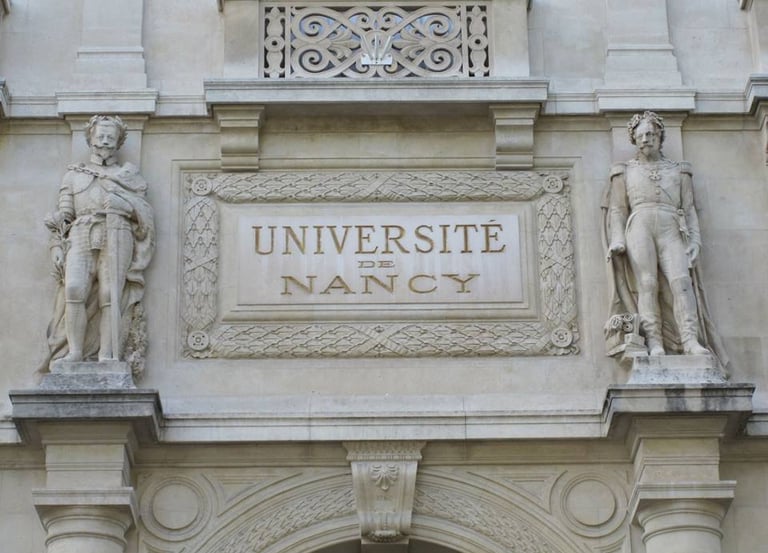
With 50,000 students, the pulse of Nancy is undeniably young, but there is a specific "academic elegance" to the locals. The people of Nancy are proud of their status as a research and intellectual hub. Unlike the hurried energy of Paris, there is a certain douceur (sweetness) to life here. Locals often refer to Nancy as a "Ville de Lumières" (City of Lights), not just for its physical beauty but for the "Enlightenment" values fostered by Stanisław Leszczyński. People take their time over a picon bière (a local bitter orange aperitif) in the Place Stanislas, and there is a shared resilience—a quiet strength born from a region that has stood on the front lines of European history for centuries.
Nancy on YouTube
Dont' miss Part 1 of our Nancy overview HERE and see if this could be your future home!
https://www.youtube.com/watch?v=3PMEel3GXJ4&feature=youtu.be
Image Credits:
Place Stanislas:Photo by Gérard GRIFFAY on Unsplash
Coupe Begonia Rose: https://commons.wikimedia.org/wiki/File:Coupe_B%C3%A9gonia_rose.jpg

Léna, CC BY 3.0 <https://creativecommons.org/licenses/by/3.0>, via Wikimedia Commons
Orchid Vase: https://commons.wikimedia.org/wiki/File:Vase_with_branches_of_orchids_Emile_Gall%C3%A9.jpg

Yelkrokoyade, CC BY-SA 3.0 <https://creativecommons.org/licenses/by-sa/3.0>, via Wikimedia Commons
Majorelle Desk: https://commons.wikimedia.org/wiki/File:Majorelle-Desk.jpg

Absecon 59 at the English-language Wikipedia, CC BY-SA 3.0 <http://creativecommons.org/licenses/by-sa/3.0/>, via Wikimedia Commons
.JPG)
Sailko, CC BY 3.0 <https://creativecommons.org/licenses/by/3.0>, via Wikimedia Commons
Bergamotes de Nancy:
https://commons.wikimedia.org/wiki/File:Bergamotes_de_Nancy_IGP.JPG

Claude Truong-Ngoc, CC BY-SA 3.0 <https://creativecommons.org/licenses/by-sa/3.0>, via Wikimedia Commons
Macarons: https://commons.wikimedia.org/wiki/File:Macaron_de_Nancy_-_IMG_2841.JPG

Shallowell, CC BY-SA 4.0 <https://creativecommons.org/licenses/by-sa/4.0>, via Wikimedia Common
Plum: https://commons.wikimedia.org/wiki/File:MirabelleVonNancy58c.jpg

Helge Klaus Rieder, CC0, via Wikimedia Common
University of Nancy now the University of Lorraine: https://commons.wikimedia.org/wiki/File:Universit%C3%A9_de_Nancy.jpg

Marc Baronnet, CC BY-SA 4.0 <https://creativecommons.org/licenses/by-sa/4.0>, via Wikimedia Commons
Contact
Get in touch
info@storybooklivingfrance.com
© 2025. All rights reserved.
Merci!
Some links in this description are affiliate links. I may earn a small commission if you book/purchase through them at no extra cost to you.


