
A City of Two Souls: Strasbourg’s Architectural Tug-of-War
Experience the unique beauty of Strasbourg, where centuries of shifting borders created a city that is both French and German. From the fairytale wood-beams of the Middle Ages to the grand Prussian boulevards, discover the architectural DNA of the Capital of Europe.
Tia
12/27/20251 min read
The Border’s Masterpiece: How Two Nations Built One Unforgettable City
Most cities spend centuries refining a single identity, but Strasbourg is a beautiful, complex hybrid. Often called the "Capital of Europe," this Alsatian gem is a living record of a tug-of-war between two great empires. Because Strasbourg swapped hands between France and Germany four times in just 75 years, it is one of the few places on earth where you can see French elegance and German grandeur standing side-by-side.
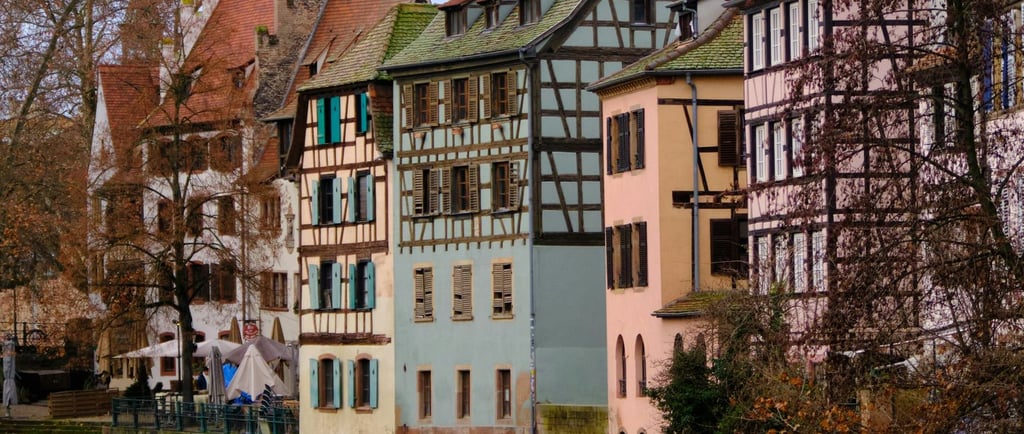
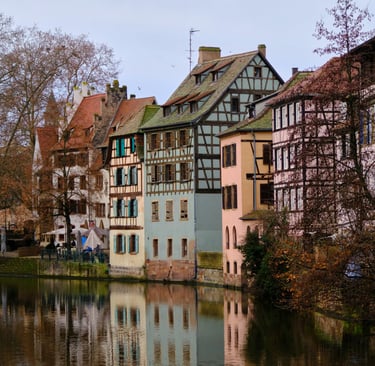
When you walk through the city, the German influence isn't just a footnote; it’s baked into the very skyline. You see it first in the medieval heart of the city—the "Petite France" district—where the steep-roofed, half-timbered houses feel like they were plucked straight from a German fairytale.
The Neustadt and the Imperial Vision:
The most striking German legacy, however, is the Neustadt (New City). Following the Franco-Prussian War in 1871, Strasbourg became part of the German Empire. To show off their power, the Germans didn’t just add a few buildings; they tripled the size of the city.
They constructed massive, imposing structures like the Palais du Rhin and wide, grand boulevards that were entirely different from the narrow, winding French streets nearby. This "Imperial" style was meant to make Strasbourg a model German city. Today, this area is so unique that it is protected as a UNESCO World Heritage site—not just as French history, but as a masterpiece of German urban planning.
It’s a fascinating contrast: a city that speaks French today but wears the "stone armor" of a German past. Next time you cross the bridges of the Ill River, look closely at the contrast between the delicate French windows and the sturdy Prussian facades. You aren't just in a French city; you are standing in the middle of a centuries-old conversation between two nations.
Watch the full Strasbourg series here:
https://www.youtube.com/playlist?list=PLSlrYNJEU6ROmfDBZBfTQFHZ1SClg8oFv
https://www.youtube.com/playlist?list=PLSlrYNJEU6RM6AhVnDYWrKaXF6DIoZm66
Image: Photo by Pierre Antona on Unsplash
Cover Image: Photo by Louis Charron on Unsplash
Contact
Get in touch
info@storybooklivingfrance.com
© 2025. All rights reserved.
Merci!
Some links in this description are affiliate links. I may earn a small commission if you book/purchase through them at no extra cost to you.


